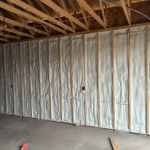
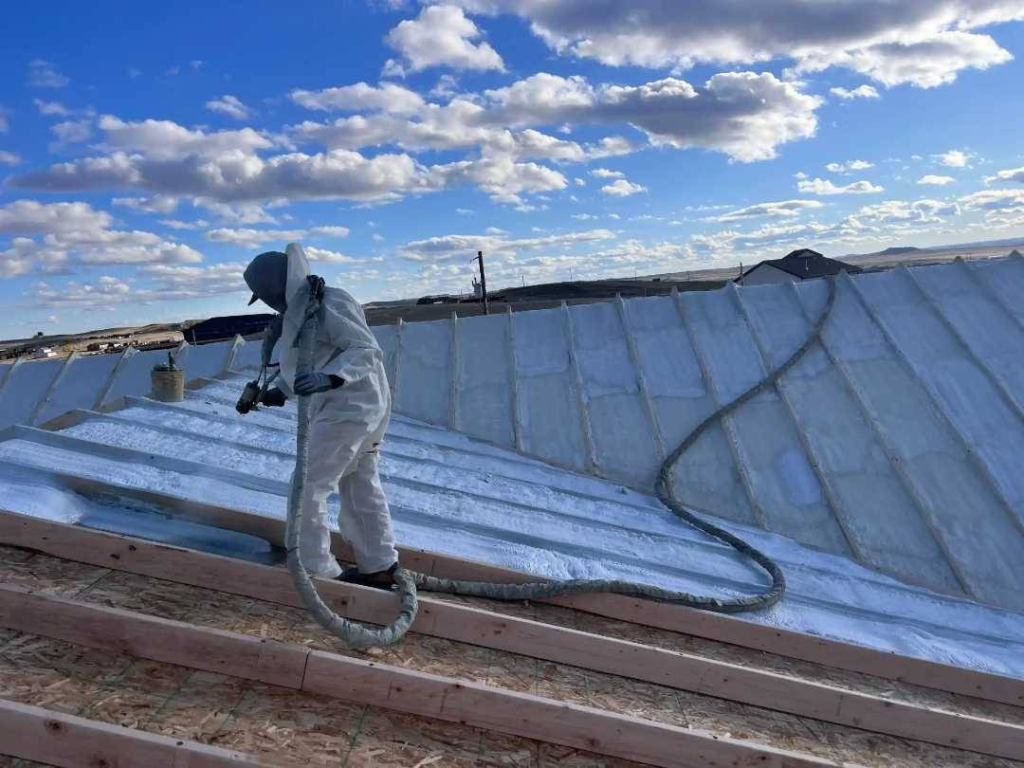
Spray foam insulation shows up in a lot of DIY projects. It is easy to buy, easy to use, and tempting to apply everywhere. After remodeling several homes, I have seen spray foam used in just about every way imaginable.
The problem is that just because spray foam can be used in many places does not mean it should. Some applications make perfect sense. Others create bigger problems later. Knowing the difference matters.
Where Spray Foam Actually Makes Sense
One of the best uses for spray foam insulation is air sealing.
When installing windows and doors, the rough opening is always a bit larger than the unit itself. That gap can lead to drafts, air loss, and pests getting inside. This is where window and door spray foam works well. It expands at low pressure, so it will not bend or bow the frame and cause issues with operation.
Spray foam is also useful in attics and crawl spaces. Before adding blown in insulation, sealing visible cracks and penetrations helps create a tighter barrier between living space and the attic. In older homes, light leaks are easy to spot from above. Filling those areas with spray foam can make a noticeable difference.
Electrical and plumbing penetrations are another common spot. Exterior boxes and pipe openings often act as entry points for air and critters. Sealing around them is usually time well spent. Just make sure a fire rated foam is not required by code in your area.
Where Spray Foam Causes Problems
Not all cracks should be filled with spray foam.
Foundation cracks are a good example. Some are cosmetic, others are structural. Spray foam should never be used to fix a structural issue. The same goes for cracks in concrete like sidewalks or driveways. Those need proper repair methods, not foam.
Another mistake is using spray foam to fill gaps in framing. This happens more often than people think, especially in DIY projects. Foam is not a structural product and should not be used to compensate for poorly cut lumber.
Water leaks are another big no. Trying to stop a leak with spray foam does not fix the source of the problem. In some cases, it can trap moisture and lead to mold. If there is water involved, spray foam is not the solution.
Caution is also needed around eaves and soffits. Many homes rely on these areas for attic ventilation. Sealing too much can interfere with airflow and create new issues. One small area may not matter, but large sections can.
Use It With Intention
A common reason spray foam gets overused is the can itself. Once opened, people feel pressure to use it all before the nozzle clogs. That often leads to spraying areas that do not need it.
Spray foam expands more than expected. A little goes a long way. Using it only where it makes sense is always better than finding reasons to empty the can. Extra straws or cleaning them before the foam dries can help reduce waste.
When to Call in a Professional
Spray foam insulation can be a great tool when used the right way. It can also create problems when it replaces proper building practices.
If you are unsure where spray foam belongs in your home, Seamless Systems can help. Our team focuses on doing insulation work correctly, safely, and with long term performance in mind. Reach out to talk through your project and get clear guidance before you start spraying.